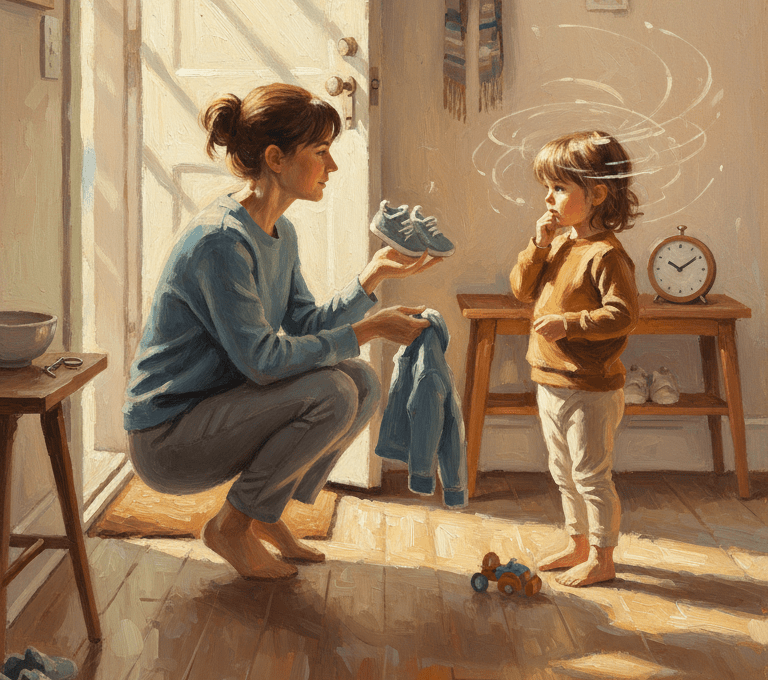

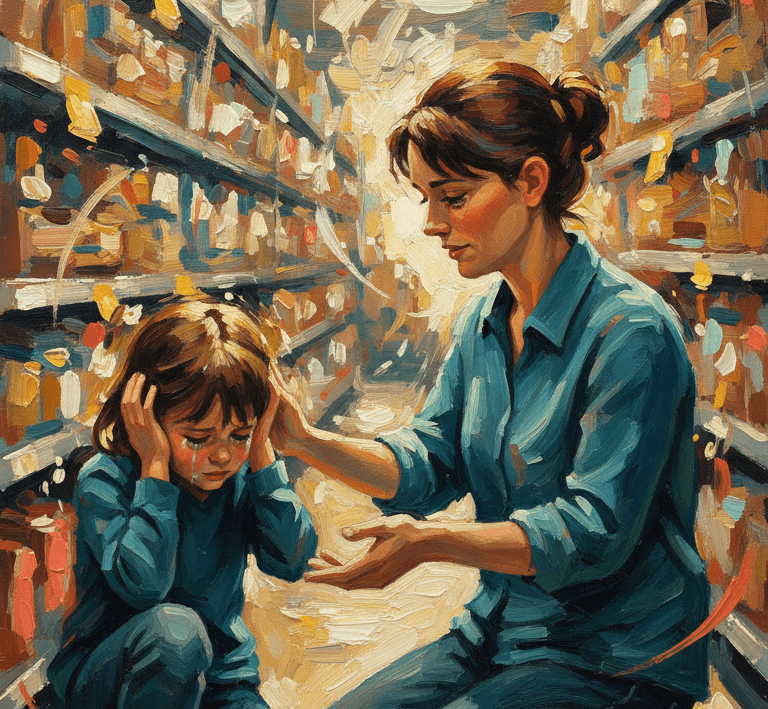
When a child throws, screams, shuts down, or “acts out,” most adults rush to stop the action. The faster (and more effective) move is to decode the signal underneath it: tired, hungry, scared, overwhelmed, confused, or craving connection and control. When we treat behavior as the outer layer of an inner experience, we stop managing symptoms and start solving the real issue.
This mindset matters for parents, schools, and kid-serving organizations because the same behavior can come from very different causes. A child who gets loud may be bored or overloaded; a child who goes silent may be flooded and protecting themselves. Meltdowns are not calculated acts, and logic rarely works in that moment; what helps is containment, few words, and safety until the nervous system recovers.
Try building “kid-friendly systems,” not just rules. Reduce sensory pressure when it spikes, offer movement breaks instead of punishment, and design calmer spaces that support attention and regulation. A quiet corner, a short walk, dimmer lights, and less visual clutter can keep children open to learning and connection.